Ces dernières années, les constructeurs chinois de véhicules électriques ont connu une croissance remarquable. mondial. Du Royaume-Uni à la France, en passant par l'Allemagne, l'Espagne, les Pays-Bas et les pays nordiques, de plus en plus de consommateurs ajoutent des marques chinoises à leur liste de choix lorsqu'ils achètent un nouveau véhicule.
Pendant des décennies, les acheteurs européens ont principalement considéré les fabricants nationaux aux côtés de UE et les marques japonaises. Aujourd'hui, cependant, Voitures électriques chinoises en Europe sont devenus l'un des segments du marché à la croissance la plus rapide.
Cette croissance est alimentée par une combinaison de facteurs : accessibilité financière, technologies de pointe et maturité croissante du marché. écosystème de mobilité électrique qui correspond aux besoins des conducteurs européens modernes.
Donc next, nous discuterons pourquoi les marques chinoises sont gagnant en popularité à travers l'Europe. Sont-ils fiables ? Et répondent-ils aux exigences de sécurité strictes de l'Europe ?
1. Un meilleur rapport qualité-prix est le principal atout
Pour les consommateurs européens, les décisions d'achat sont de plus en plus influencées par le coût total de possession.
La hausse des prix des véhicules, l'augmentation des primes d'assurance et le coût de la vie plus élevé en Europe font que les acheteurs sont plus attentifs que jamais à coût total de possession, coûts d'exploitation sur toute la durée de vie et la valeur à long terme.
C’est là que de nombreux fabricants chinois ont acquis un avantage significatif.
Pour un budget équivalent, les véhicules électriques chinois offrent souvent :
✅Des batteries plus grandes
✅Des distances de conduite plus longues
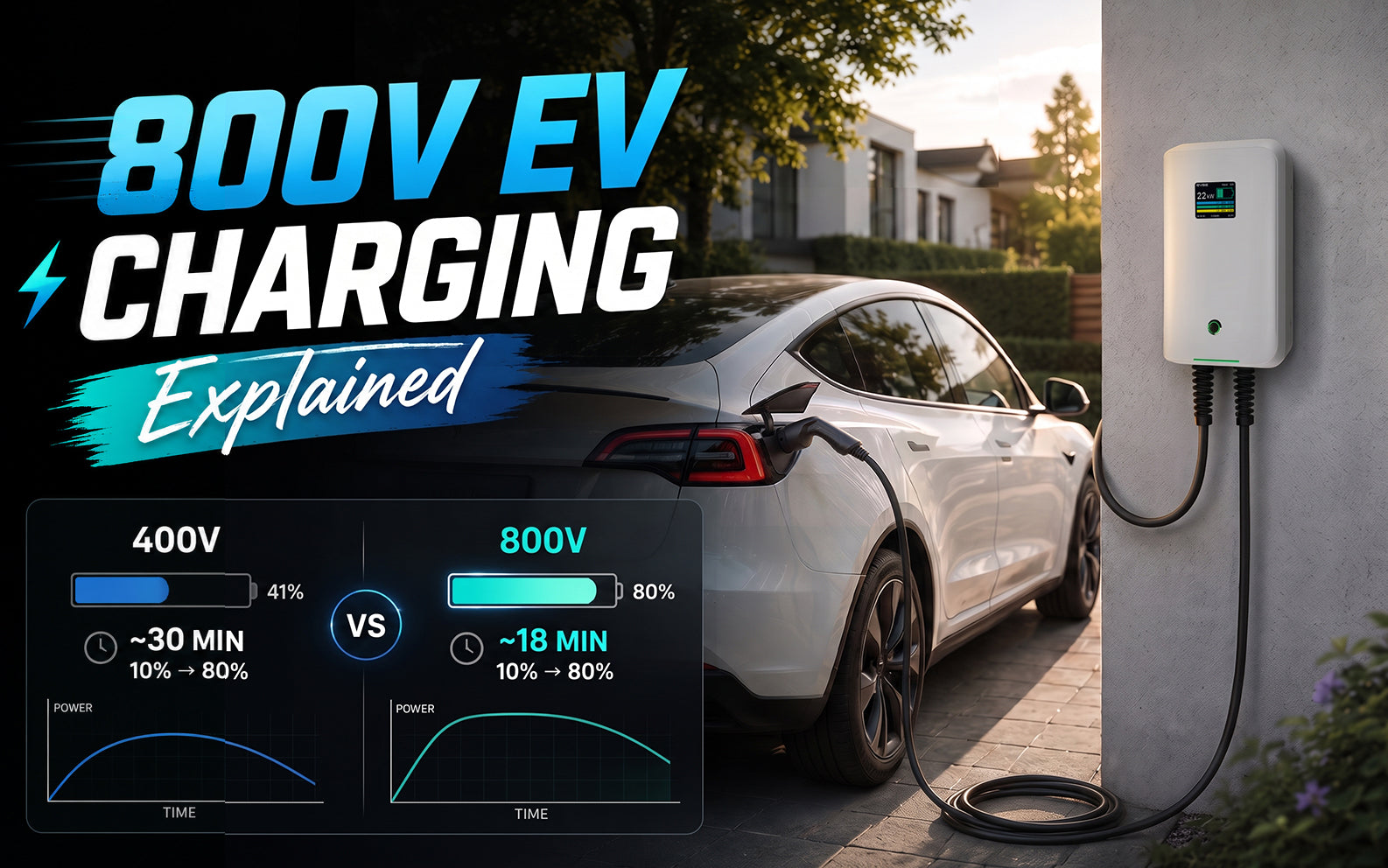
✅Vitesses de charge CC plus rapides
✅Équipements plus standard
✅systèmes avancés d'aide à la conduite
Des fonctionnalités qui nécessitaient auparavant un €40,000 les véhicules sont désormais fréquemment disponibles dans des voitures coûtant plus près de €30,000.
Pour de nombreux ménages, cet avantage est difficile à ignorer, d'autant plus que la demande pour des véhicules électriques abordables en Europe continue d'augmenter.
C’est aussi l’une des raisons pour lesquelles de plus en plus de consommateurs s’intéressent désormais à des questions telles que « Quel véhicule électrique chinois offre le meilleur rapport qualité-prix en Europe ? » et « Les voitures électriques chinoises sont-elles moins chères à l’achat que les marques européennes ? ».
2. La Chine est devenue un leader mondial en matière de technologie des batteries
La technologie des batteries demeure le composant le plus important de tout véhicule électrique, et la Chine est devenue le centre de fabrication de batteries le plus important et le plus avancé au monde.
Partout en Europe, les consommateurs sont de plus en plus conscients que de nombreuses marques automobiles mondiales dépendent déjà de fournisseurs de batteries chinois.
Les entreprises chinoises ont développé une solide expertise dans les domaines suivants :
✅technologies de sécurité des batteries
✅Optimisation de la densité énergétique
✅Capacités de charge rapide
✅Gestion de la durée de vie des batteries
✅Efficacité de la production à grande échelle
Les fabricants sont de plus en plus en concurrence dans des domaines tels que systèmes de gestion thermique des batteries, batteries à haute densité énergétique et architecture de charge rapide.
De nombreux constructeurs européens et internationaux utilisent déjà des systèmes de batteries de fabrication chinoise dans leurs propres véhicules.
En conséquence, l'achat Marques chinoises de véhicules électriques en Europe L'adoption d'une technologie non éprouvée ne signifie plus pour autant renoncer à l'innovation. Au contraire, les acheteurs bénéficient de l'une des chaînes d'approvisionnement de véhicules électriques les plus matures au monde et d'un secteur hautement développé. écosystème de la chaîne d'approvisionnement des batteries.
3. Les fonctionnalités intelligentes avancées modifient les attentes des consommateurs
Historiquement, les acheteurs européens accordaient une grande importance au confort de conduite, à la dynamique du châssis et à la conception mécanique.
La transition vers la mobilité électrique a profondément modifié ces priorités.
Les consommateurs modernes considèrent de plus en plus leur véhicule comme un appareil intelligent connecté plutôt que comme un simple moyen de transport.
Partout en Europe, les fonctionnalités logicielles sont devenues l'un des facteurs d'achat les plus importants pour les acheteurs à la recherche de voitures électriques intelligentes en Europe.
Cette évolution accélère l'adoption de véhicules à définition logicielle, services de mobilité connectée et le plus large expérience de véhicule numérique en premier lieu.
3.1. Une expérience utilisateur plus rapide et plus intuitive
De nombreux constructeurs traditionnels ont eu du mal à proposer des systèmes d'infodivertissement lents et des interfaces trop complexes.
Les marques chinoises ont accordé une importance beaucoup plus grande à l'expérience utilisateur numérique en proposant :
✅Systèmes d'exploitation plus rapides
✅Des interfaces utilisateur plus propres
✅Interactions de type smartphone
✅Écrans haute résolution plus grands
Pour les consommateurs déjà habitués aux smartphones et tablettes modernes, ces améliorations sont immédiatement perceptibles lors d'un essai.
3.2. Les mises à jour OTA permettent d'améliorer constamment les véhicules.
Contrairement aux véhicules traditionnels, de nombreux véhicules électriques chinois bénéficient de contrôles réguliers. Mises à jour OTA pour voitures électriques.
Ces mises à jour peuvent améliorer :
✅systèmes de gestion de batterie
✅performances de charge
✅efficacité énergétique
✅Fonctionnalités de navigation
✅fonctions d'assistance au conducteur
✅Stabilité globale du logiciel
Pour les consommateurs, cela signifie que leur véhicule continue d'évoluer longtemps après sa livraison.
Ce modèle d'amélioration continue soutient la transition vers déploiement continu de fonctionnalités et gestion du cycle de vie des logiciels de véhicules.
3.3. Planification intelligente des itinéraires et gestion de la recharge
Les longs trajets restent l'une des principales préoccupations des propriétaires de véhicules électriques en Europe.
De nombreuses marques chinoises proposent désormais des systèmes intelligents de planification d'itinéraires capables de calculer automatiquement :
✅Pourcentage de batterie restant
✅Arrêts de recharge
✅Durée de charge
✅Niveau de batterie à l'arrivée
✅emplacements de recharge alternatifs
Certains systèmes peuvent même adapter les itinéraires de manière dynamique en fonction des conditions de circulation et de la disponibilité des bornes de recharge.
Ces capacités deviennent un élément essentiel de planification intelligente des itinéraires de recharge, optimisation énergétique en temps réel et le plus large écosystème de solutions de mobilité intelligente.
Pour les conducteurs qui voyagent fréquemment entre les villes ou à travers les frontières, ces fonctionnalités réduisent considérablement l'angoisse liée à l'autonomie..
3.4. Les expériences numériques comptent plus que jamais.
Pour les jeunes consommateurs européens, l'achat d'un véhicule signifie de plus en plus l'acquisition d'un écosystème numérique.
La qualité des logiciels, la connectivité et la possibilité de mise à jour deviennent tout aussi importantes que la portée, le prix et les performances.
C’est un domaine où les fabricants chinois ont développé une expertise considérable grâce à leur expérience dans le développement de l’électronique grand public et des logiciels.
4. Des cycles d'innovation produit plus rapides
Les constructeurs automobiles traditionnels ont souvent besoin de quatre à cinq ans pour achever le cycle de vie complet d'un produit.
Les fabricants chinois introduisent fréquemment des mises à jour majeures en l'espace de deux à trois ans.
Cela permet aux consommateurs de bénéficier de :
✅Technologie de batterie améliorée
✅Vitesses de charge plus rapides
✅Plateformes logicielles mises à jour
✅Nouvelles fonctionnalités d'assistance au conducteur
Compte tenu du rythme rapide de développement de l'industrie des véhicules électriques, des cycles d'innovation plus courts représentent un avantage concurrentiel majeur pour les marques en lice sur le marché des véhicules électriques. voitures électriques de nouvelle génération.
Ce rythme de développement plus rapide soutient également les tendances émergentes telles que amélioration continue des véhicules et cycles d'itération technologique rapides qui définissent de plus en plus l'industrie des véhicules électriques.
5. Les voitures électriques chinoises sont-elles fiables ? En Europe ?
« Les voitures électriques chinoises sont-elles sûres ? » « Les véhicules électriques chinois répondent-ils aux normes de sécurité européennes ? » «Devrais-je acheter une voiture électrique chinoise ou une voiture électrique européenne ?» Èmeese Cela reste l'une des questions les plus fréquemment posées par les acheteurs européens.
La réalité est que la plupart des véhicules électriques chinois entrant en Europe répondent déjà aux normes internationales de qualité et de sécurité.
5.1.Fiabilité éprouvée de la batterie
De nombreux fabricants proposent désormais :
✅Garanties de batterie de huit ans
✅systèmes de gestion thermique avancés
✅Protection multicouche de la batterie
✅Surveillance de la batterie en temps réel
Avec l'augmentation continue des volumes de ventes mondiales, les données de fiabilité à long terme deviennent de plus en plus disponibles.
5.2. Les normes de fabrication continuent de s'améliorer
Les installations de production modernes fonctionnent désormais avec :
✅Lignes de production hautement automatisées
✅Systèmes internationaux de contrôle de la qualité
✅normes mondiales de la chaîne d'approvisionnement
✅fournisseurs internationaux de composants
Aujourd'hui, la principale préoccupation de nombreux acheteurs n'est plus la qualité de fabrication, mais plutôt le service après-vente local et la disponibilité des pièces détachées.
5.3. La réglementation européenne s'applique de la même manière à tous les fabricants
Peu importe qu'un véhicule soit fabriqué en Chine, en Allemagne, au Japon ou en Corée du Sud, tous les véhicules vendus en Europe doivent se conformer exactement aux mêmes réglementations.
🔹Cela comprend :
✅Homologation de type pour véhicule complet (WVTA)
✅essais de sécurité en cas de collision
✅réglementations en matière de sécurité des batteries
✅exigences de compatibilité électromagnétique
✅Règlement sur la protection des piétons
✅normes de cybersécurité
✅Réglementation relative aux mises à jour logicielles
🔹Les normes clés comprennent :
✅UNECE R100 (Sécurité des batteries)
✅UNECE R10 (Compatibilité électromagnétique)
✅UNECE R155 (Cybersécurité)
✅UNECE R156 (Gestion des mises à jour logicielles)
Cela signifie que chaque fabricant vendant véhicules électriques en Europe Elle opère dans le même cadre réglementaire et selon les mêmes exigences de sécurité.
Ces réglementations renforcent également le respect de concepts plus larges tels que conformité en matière de cybersécurité des véhicules, gouvernance des mises à jour logicielles et normes réglementaires automobiles européennes.
Les véhicules électriques chinois répondent donc aux normes de sécurité européennes.'Vous êtes en sécurité. Le choix entre un tramway européen et un tramway chinois dépend de divers facteurs, notamment vos préférences personnelles, votre budget, vos besoins spécifiques, etc.
💡Conclusion
L'essor rapide des véhicules électriques chinois en Europe n'est pas simplement le résultat de prix compétitifs.
Les technologies de batteries avancées, les puissantes capacités logicielles, les fonctionnalités intelligentes et l'amélioration du service après-vente sont en train de remodeler la perception des consommateurs.
Dans le même temps, chaque véhicule électrique chinois vendu en Europe doit se conformer aux mêmes normes de sécurité et réglementaires que celles des constructeurs européens établis.
Pour les consommateurs d'aujourd'hui, choisir un véhicule électrique chinois n'est plus une expérience. C'est une décision de plus en plus courante, motivée par le rapport qualité-prix, la technologie et la praticité.
Alors que de plus en plus d'acheteurs continuent de choisir le chinois voitures électriques, Chinois Les fabricants qui allient accessibilité, innovation et fiabilité sont susceptibles de continuer à gagner du terrain. plus part de marché sur le marché européen.