For the past two years, 800V architecture has become one of the biggest buzzwords in the European electric vehicle market. Manufacturers promote impressive figures such as:
- 10 minutes to add 300 km of range
- 18 minutes from 10% to 80%
- Charging as convenient as refuelling a petrol car
- Next-generation EV technology
As a result, many buyers have started to assume: If a vehicle does not use an 800V platform, it is already outdated. But as EV adoption continues to mature across Europe, a different question is beginning to emerge:
🎯Do most European drivers actually need 800V charging technology?
First, let's know about what 800V charging technology is. An 800V charging technology simply increases the operating voltage of the vehicle battery system compared with traditional 400V EV platforms. The charging equation is straightforward: Power (kW) = Voltage (V) × Current (A). At the same current, the higher the voltage, the higher the power, and consequently, the faster the charging speed. It's the main benefit of 800V charging technology: Faster Charging. For consumers, 800V technology doesn't increase driving range, it doesn't reduce electricity prices, improve battery capacity. Its primary advantage is reducing charging time. Just how much convenience will shorter charging times actually bring to consumers? At this point, it is necessary to take consumers' charging habits into account. Across France, Germany, the Netherlands, Belgium and the UK, private EV owners follow remarkably similar habits:
🟢Daily commuting distance: 30-50 km
🟢Charging takes place overnight
🟢Vehicles are plugged in at home after work
🟢Long-distance trips occur only a few times each year
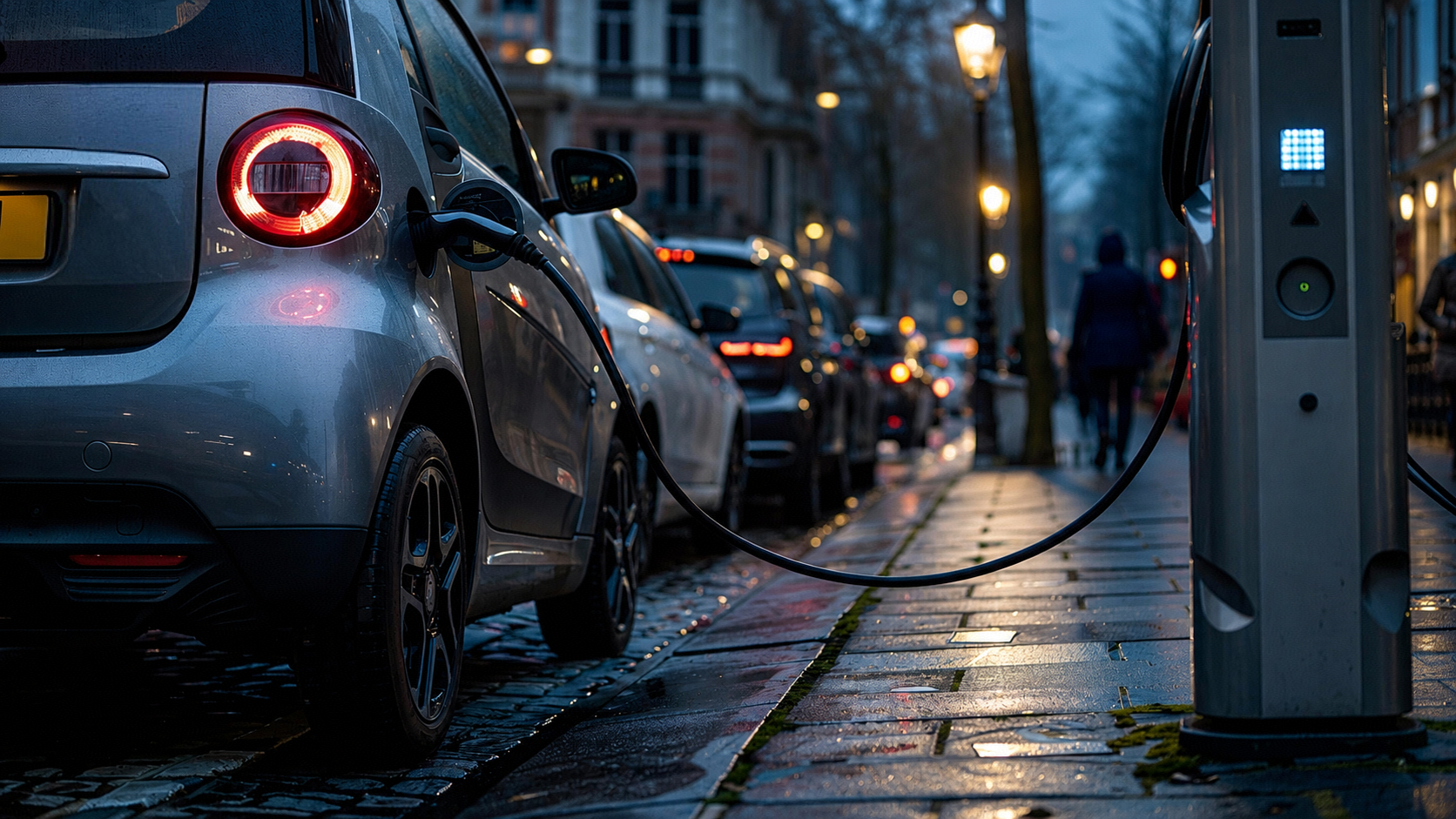
If you use the AC Wallbox to charge EVs & PHEVs at home, the charging speed is determined by the vehicle's onboard charger and the charger's power rather than its battery voltage architecture. Typical European home charging setups include 7.4 kW Single-Phase Home Charger, which typical overnight energy replenishment is 50-70 kWh, and 11 kW Three-Phase EV Charger's typical overnight energy replenishment is 80-100 kWh. Based on the average energy consumption of 16-20 kWh/100 km for common pure electric vehicles in Europe, a daily commute of 30-50 km would be equivalent to an electricity consumption of 3-10 kWh. Viewing from this data, both 7 kW and 11 kW charging stations are sufficient to fully charge most modern electric vehicles overnight, meeting daily commuting needs. You can even use the APP's delayed charging feature to charge your car during off-peak hours, thus saving on electricity bills.
🚗⚡7KW&11KW APP AC Wallbox EV Charger For Home
This leads many European consumers to ask: If my vehicle is fully charged via AC chargers every evening anyway, i don't need to visit public charging stations to achieve a full charge with the 800V system. Not to mention that an 800V vehicle costs 3,000€ to 5,000€ more than an equivalent 400V model. I think the answer is obvious, don't need.
🎯If I specifically choose to use 800V charging, what benefits will I gain?
Assume: Four long-distance trips per year, one charging stop per trip, fifteen minutes saved each time. The total annual time saved is approximately one hour. For many households, that budget may be better invested in: Longer driving range; Advanced driver assistance systems; Better software experience; Improved comfort; Higher quality interior materials.
Who Should Consider an 800V EV? 800V EVs absolutely deliver value for certain drivers. They are particularly attractive for:
🟢Drivers covering more than 30,000 km annually
🟢Business travellers
🟢 Cross-border commuters
🟢Drivers without access to home charging
🟢 Users heavily dependent on public DC charging infrastructure
For these users, saving 10-15 minutes per charging session quickly becomes meaningful over the course of a year.
🎯Final Thoughts
800V technology is not a gimmick. It delivers real benefits for drivers who rely heavily on public ultra-fast charging infrastructure. However, for the majority of European households charging overnight at home, the difference between 400V and 800V EVs is often far smaller than marketing materials suggest. The better question for buyers is no longer: Does this vehicle support 800V charging? Instead, it is: How do I actually use my vehicle with low cost, and will I benefit from paying for it?
In the European EV market of 2026, the answer for many drivers is becoming increasingly clear: For normal users, home charging convenience and the low cost often matter more than ultra-fast charging speed.